


Introduction
The skincare industry moves fast — but skin biology doesn’t.
As a pharmacist with clinical dermatology training, experience in medical aesthetics, and exposure to industry-led dermatological education (including L’Oréal), I spend a great deal of time separating what’s trending from what actually works. Through both clinical practice and digital prescribing, one pattern is clear: many people are doing too much to their skin — and seeing the consequences in the form of irritation, breakouts, and compromised skin barriers.
As we move into 2026, dermatology and skincare are shifting away from aggressive routines and influencer-led advice, and back toward barrier health, personalised care, and long-term skin function.
1. Barrier Repair Is the Foundation of Healthy Skin
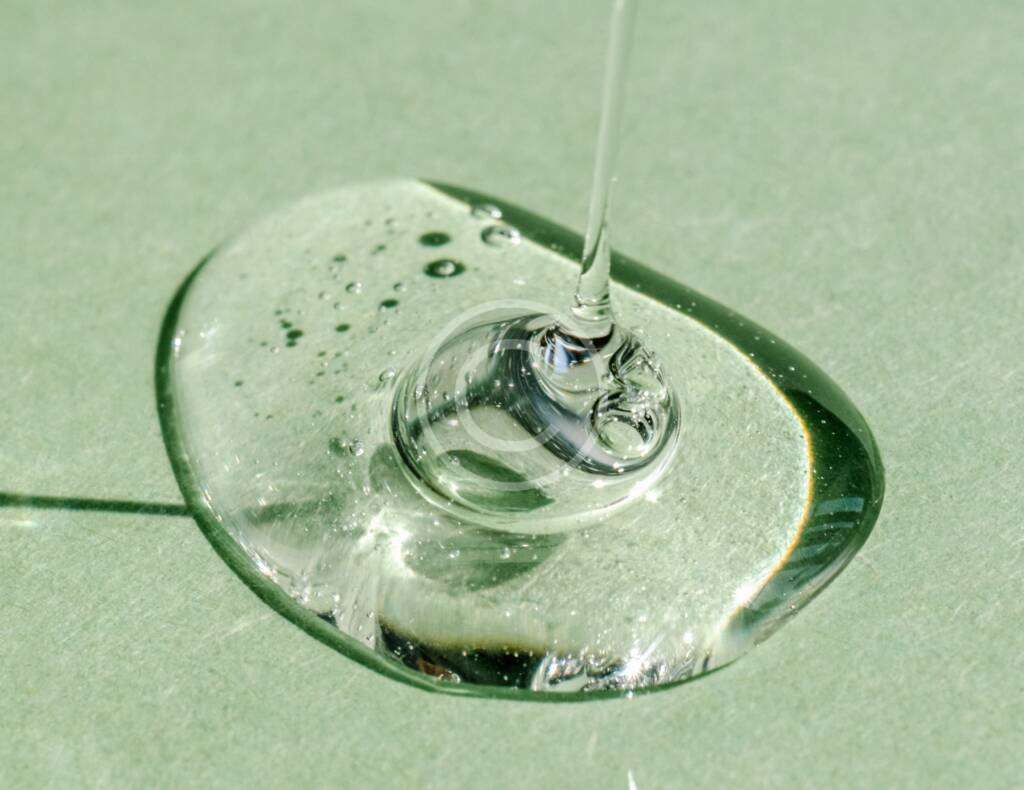
One of the most common underlying issues behind breakouts, redness, and sensitivity is a damaged skin barrier. Over-exfoliation, frequent product switching, and excessive use of active ingredients have become normalised — but the skin often cannot sustain that level of stress.
In 2026, the focus has shifted to:
- Ceramides, cholesterol, and lipid-rich formulations
- Gentle, non-stripping cleansers
- Repairing the barrier before introducing strong actives
Clinically, barrier repair is often the first step before treating acne, pigmentation, or inflammation. Without it, even the most effective treatments are unlikely to deliver optimal results.
If your skin feels tight, stings easily, or reacts unpredictably, barrier repair is not simply a trend — it is essential.

2. Personalised Skincare Is Replacing Guesswork
The idea that one routine works for everyone is finally being left behind. Skin is influenced by age, hormones, stress levels, environment, medication, and genetics — not simply whether it is dry or oily.
Modern dermatology prioritises:
- Individual skin assessments
- Tailored treatment plans
- Adjusting routines as skin changes over time
Personalisation leads to better results, fewer adverse reactions, and more sustainable long-term skin health. This approach is now central to both clinical dermatology and advanced aesthetic practice.
Curabitur varius eros et lacus rutrum consequat. Mauris sollicitudin enim condimentum, luctus justo non, molestie nisl.
3. Retinoids: Smarter Use, Not Stronger Formulas
Retinoids remain one of the most effective ingredients available for acne, pigmentation, and signs of ageing. However, misuse remains common.
The shift in 2026 is toward:
- Lower concentrations used consistently
- Retinal and next-generation retinoid alternatives
- Structured routines that include recovery phases
Stronger does not always mean better. When retinoids are introduced correctly and used patiently, outcomes are significantly improved — with far less irritation.
4. SPF Is Now Everyday Preventative Care
Sun protection is no longer seasonal advice. In addition to UV exposure, we now recognise the cumulative effects of:
- Blue light from screens
- Environmental pollution
- Infrared radiation
Daily use of a broad-spectrum SPF (minimum SPF 30) remains one of the most effective methods of preventing pigmentation, premature ageing, and long-term skin damage.
From a medical perspective, SPF is one of the simplest yet most powerful preventative tools for maintaining healthy skin.
5. Subtle, Skin-First In-Clinic Treatments Are Leading the Way
Within aesthetics, the focus continues to move away from dramatic changes and toward improving overall skin quality.
Popular approaches include:
- Skin boosters to enhance hydration and elasticity
- Polynucleotides to support regeneration
- Preventative treatments introduced earlier and more conservatively
The goal is resilient, healthy, believable skin — not obvious intervention.
Final Thoughts
Trends will always evolve, but effective skincare remains rooted in the same principles: science, consistency, and personalised care.
In 2026, the most intelligent skincare routines focus less on doing more — and more on doing what the skin genuinely needs.
Add at least one itemNot sure which of these trends apply to your skin?
At Mara Clinics, we offer personalised skin consultations grounded in medical, dermatological, and aesthetic expertise.